
HRI Smart Move Internship
A robotic walker that supports dementia patients.
Duration
Ongoing
Industry
Robotics
Skills
Solidworks, Keyshot, Figma
HRI Smart Move Internship
A robotic walker that supports dementia patients.
Duration
Ongoing
Industry
Robotics
Skills
Solidworks, Keyshot, Figma


An assistive robotic walker designed to support sit-to-stand, guided mobility, and fatigue relief for people living with dementia.
An assistive robotic walker designed to support sit-to-stand, guided mobility, and fatigue relief for people living with dementia.
The Client.
The Client.
People living with dementia often need mobility support that goes beyond balance. They may struggle with initiating movement, interpreting direction, fatigue, and transitioning safely between sitting and standing.
In care environments, staff also need tools that reduce physical burden while maintaining patient dignity.
People living with dementia often need mobility support that goes beyond balance. They may struggle with initiating movement, interpreting direction, fatigue, and transitioning safely between sitting and standing.
In care environments, staff also need tools that reduce physical burden while maintaining patient dignity.
People living with dementia often need mobility support that goes beyond balance. They may struggle with initiating movement, interpreting direction, fatigue, and transitioning safely between sitting and standing.
In care environments, staff also need tools that reduce physical burden while maintaining patient dignity.

The “Hearts and Minds” facility in San Jose has dealt with this.
The “Hearts and Minds” facility in San Jose has dealt with this.
This internship explored these issues on a more broad level, involving research from anthropology, mechanical engineers, and occupational therapy.
This internship explored these issues on a more broad level, involving research from anthropology, mechanical engineers, and occupational therapy.

Inadequate navigation tools.
Inadequate navigation tools.


Walkers become stagnant unused medical furniture that sit on the sides of rooms.
Walkers become stagnant unused medical furniture that sit on the sides of rooms.
How might we help people living with dementia
get up from a seated position, orient, and walk with less uncertainty, while reducing physical burden on caregivers?
How might we help people living with dementia
get up from a seated position, orient, and walk with less uncertainty, while reducing physical burden on caregivers?
How might we help people living with dementia
get up from a seated position, orient, and walk with less uncertainty, while reducing physical burden on caregivers?


Click to unveil part of the process.
Click to unveil part of the process.

Meet
levra
A supportive robotic walker that maneuvers reliably.
Meet levra.
A supportive robotic walker that maneuvers reliably.
Meet
levra
A supportive robotic walker that maneuvers reliably.

And empowers the user.
And empowers the user.
And empowers the user.
The armrest houses pressure sensors that prompt the entire top section to move with the user.
The armrest houses pressure sensors that prompt the entire top section to move with the user.
The armrest houses pressure sensors that prompt the entire top section to move with the user.
Sensing a full environment.
Sensing a full environment.
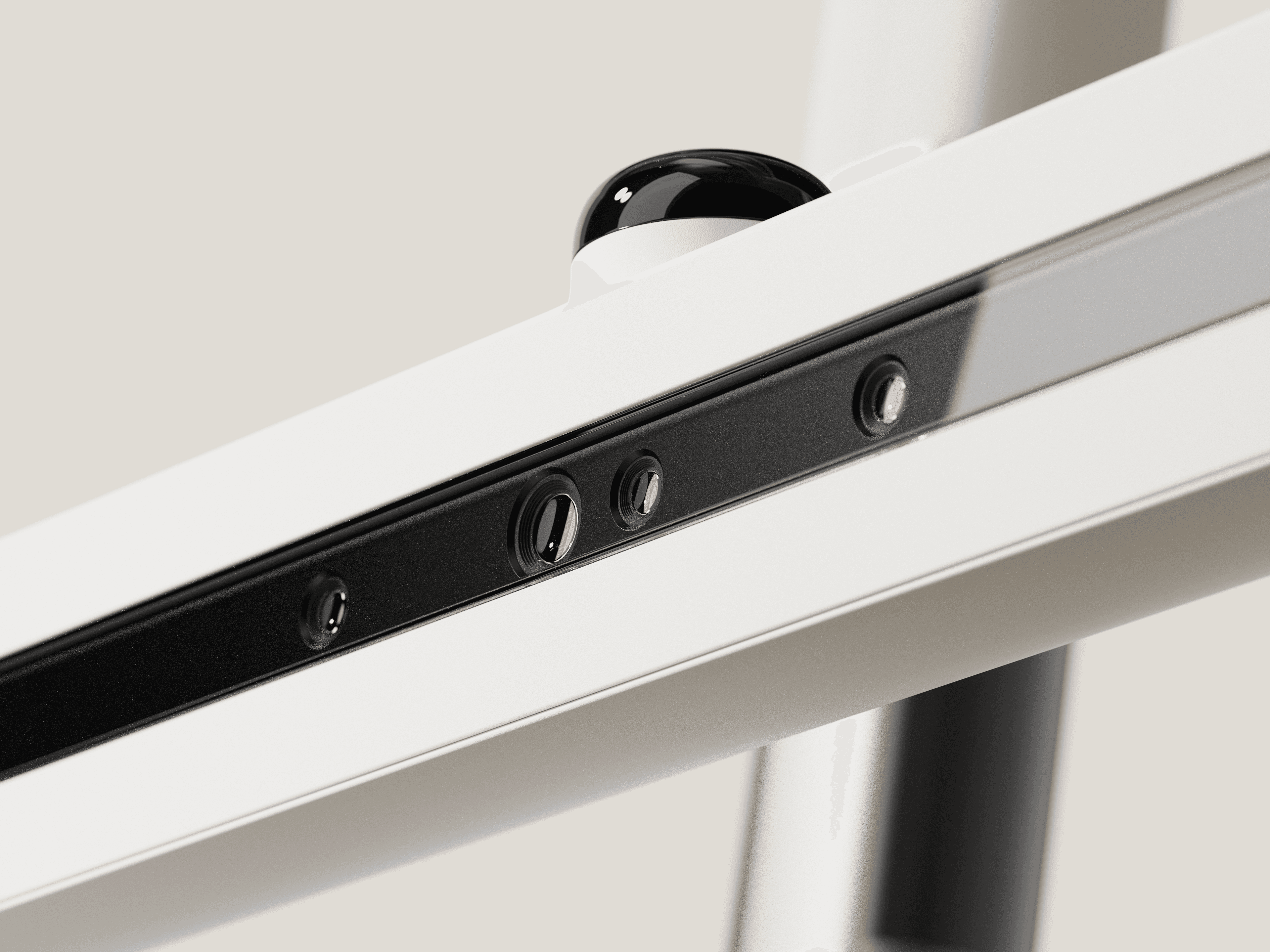
Levra utilizes a Realsense array of sensors, a rotating Lidar, and two inner facing DoF sensors to navigate a busy facility.
Levra utilizes a Realsense array of sensors, a rotating Lidar, and two inner facing DoF sensors to navigate a busy facility.


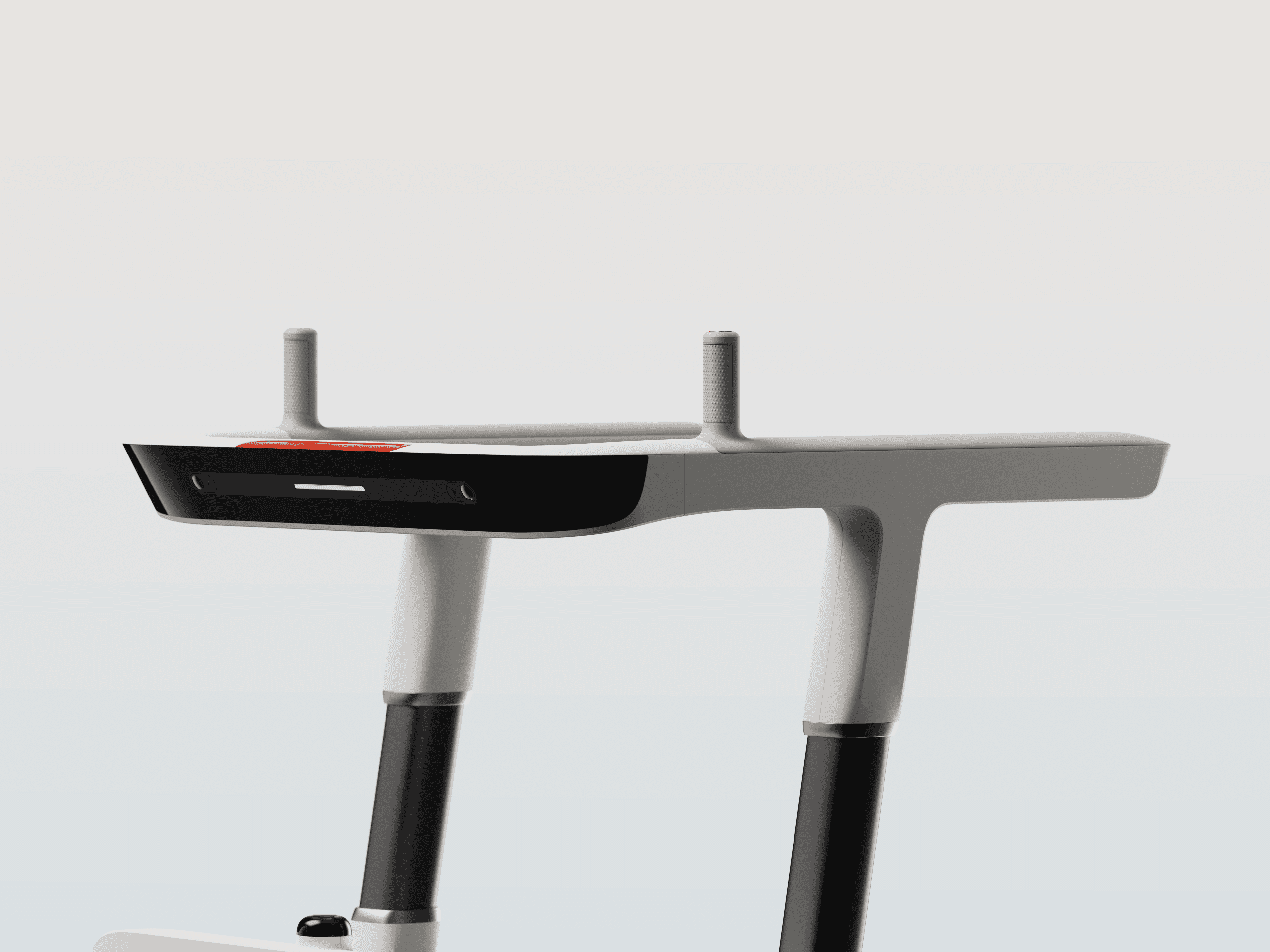
Two sets of projectors that unveil the path that the client is following.
Two sets of projectors that unveil the path that the client is following.
Two sets of projectors that unveil the path that the client is following.

Omnidirectional
wheels allow the
robot to navigate smartly.
Omnidirectional wheels allow
the robot to navigate smartly.
Paired with two time of flight (ToF) sensor modules to help move around obstacles.
Paired with two time of flight (ToF) sensor modules to help move around obstacles.

A large emergency stop (e-stop) button for a caretaker or client to press if they need to stop.
A large emergency stop (e-stop) button for a caretaker or client to press if they need to stop.
A large emergency stop (e-stop) button for a caretaker or client to press if they need to stop.


Contact charging to a wall mounted charging dock allows Levra to return and power up when needed, on its own.
Contact charging to a wall mounted charging dock allows Levra to return and power up when needed, on its own.
Contact charging to a wall mounted charging dock allows Levra to return and power up when needed, on its own.